Small Journeys, Giant Sparks

Today we dive into Creativity Boosters: Micro-Adventures for Artists and Designers, exploring how tiny excursions, brief detours, and playful constraints can reignite curiosity and unlock original ideas. Grab a sketchbook, tune your senses, and let a few unexpected minutes outside your routine transform textures, colors, forms, and stories into fresh material for meaningful projects, joyful experimentation, and confident creative momentum you can sustain even on the busiest days.

The Neuroscience of Novelty

Studies on walking and ideation show mobility and mild novelty boost divergent thinking by engaging the default mode network and releasing a small surge of motivation-related neurotransmitters. Micro-adventures take advantage of that effect through low stakes, gentle challenge, and real-world stimuli. By interrupting autopilot with unexpected inputs—an unusual shadow, a foreign scent, a fragmented conversation—you refresh attention, expand your associative horizon, and prime your mind to explore options you would not consider at your desk.

Anecdote: The Bus Stop Revelation

An illustrator missed her stop by one station, then wandered back past storefronts she usually ignored. A peeling poster revealed a gritty color pairing—muddy teal against sun-faded coral—that later anchored her book cover palette. The accidental detour also suggested a lettering texture from torn edges, inspiring a rougher, more honest voice. The entire project gained coherence because five unexpected minutes created a resource richer than hours of scrolling polished references.

Design Your Micro-Adventure Kit

Keep your setup lightweight so you can step out the door without hesitation. A pocket notebook, a reliable pen, a phone camera, and a timer are enough. Add a binder clip as a viewfinder, a small water brush, or a single pastel pencil if you love color. Most importantly, carry a short prompt list and a permission mindset: curiosity first, polish later. Portability and purpose beat perfection, making spontaneous exploration feasible every day.

Ultra-Light Tools

Choose tools you already enjoy, trimmed to essentials: pocket notebook, fineliner, small glue stick for quick collages, and your phone for photos and voice memos. A foldable seat pad helps longer pauses. A binder clip becomes a framing window when held at arm’s length, guiding composition. The goal is frictionless setup and teardown, so the threshold to starting is seconds, not minutes. If you can comfortably carry it while sipping coffee, it’s probably perfect.

Prompts You Can Start Anywhere

Try a letterform hunt, photographing naturally occurring A–Z shapes in architecture and foliage to fuel typography studies. Collect textures by making rubbings or close-up photos for future pattern libraries. Map a color scavenger trail—five greens, five reds, five neutrals—for palette research. Trace shadows at three times of day to reveal evolving geometry. Compile snippets of overheard dialogue for character design and voice. Each prompt converts ordinary surroundings into actionable, reusable, creative ingredients.

Safety, Comfort, and Accessibility

Prioritize comfort and confidence. Check daylight and weather, wear supportive shoes, and bring water if you’ll wander longer. Share a quick check-in plan with a friend when exploring unfamiliar blocks. Choose accessible routes with ramps, benches, or indoor corridors if mobility or weather is a concern. Museum lobbies, transit stations, and grocery aisles offer abundant stimuli under shelter. When conditions limit movement, window views and household objects still provide rich micro-adventure material for careful observation.

Routes, Routines, and Serendipity

Draw a quick nine-square grid over a neighborhood map. Shuffle the order you’ll visit each square, spending five focused minutes per cell. In every square, seek three elements: a triangle, a curve, and a color transition. Note coordinates and time. This method yields comparable observations across space and sessions, perfect for iterative studies. It works indoors too—apply it to a studio, library floor, or market hall, turning complex environments into digestible, systematic exploration.
Divide a short break into three slices: a seven-minute walk to gather impressions, a seven-minute sketch or photo sequence to externalize ideas, and a seven-minute reflection recorded as a voice memo. This tiny cadence keeps momentum without demanding a free afternoon. Accumulate slices across the week into a zine, a storyboard, or a color deck. The compounding effect is real: tiny, consistent cycles outperform sporadic marathons because they maintain rhythm, recall, and curiosity.
Treat weather as a collaborator. Rain enriches reflections, reveals inverted cityscapes in puddles, and softens edges for moodier palettes. Wind adds motion blur, animated foliage, and kinetic line studies. Heat shimmers distort outlines, encouraging looser forms. Fog compresses depth, perfect for tonal value exercises. When conditions feel inconvenient, reframe them as constraints that guide specific observations, materials, and techniques, ensuring each outing carries a signature character you can reference later in design decisions.

Harvesting Material for Real Projects

Translate observations into useful assets, not just pleasant memories. Organize notes and images into mood boards, texture atlases, and color systems. Convert patterns into vectors, and distill behaviors into interaction cues. Annotate with context—location, time, weather, and intention—so insights remain traceable and presentable. When clients or collaborators see your process rooted in lived observation, your proposals gain credibility, narrative depth, and the kind of specificity that distinguishes professional craft from generic styling.

01

From Field Notes to Concept Boards

Tag each note with a simple taxonomy—forms, actions, edges, silence—then cluster related findings in a physical or digital board. Combine photos, sketches, and one-sentence insights into clear narrative rows. Present the sequence from stimulus to abstraction to application, like signage icons or interface patterns. This flow demonstrates intention, helps collaborators track logic, and prevents the common gap between raw inspiration and tangible direction, turning everyday fragments into strategic design foundations.

02

Translating Sights into Systems

Extract repeatable units from your captures: tileable textures, modular shapes, and measured color palettes with accessible contrast ratios. Develop parametric variations in Figma, Illustrator, or Blender, linking sliders to materially grounded references—brick spacing, leaf symmetry, or stair riser proportions. Export tokens and swatches for teams, documenting origin and constraints. Systematizing field discoveries bridges intuition and scalability, enabling consistent application across print, product, and interface without losing the authenticity of the initial encounter.

03

Storytelling that Sells the Work

Frame outcomes with a concise journey: challenge, exploration, finding, transformation. Show the detour that revealed the crucial texture or behavior, then visualize before-and-after results. Include a rough map or time-stamped photos to anchor credibility. Stakeholders respond to clarity and provenance; when inspiration is traceable to specific observations, decisions feel inevitable rather than arbitrary. This narrative not only wins approvals but also educates clients about process, increasing trust and long-term partnership potential.

Social Spark: Invite Others and Share
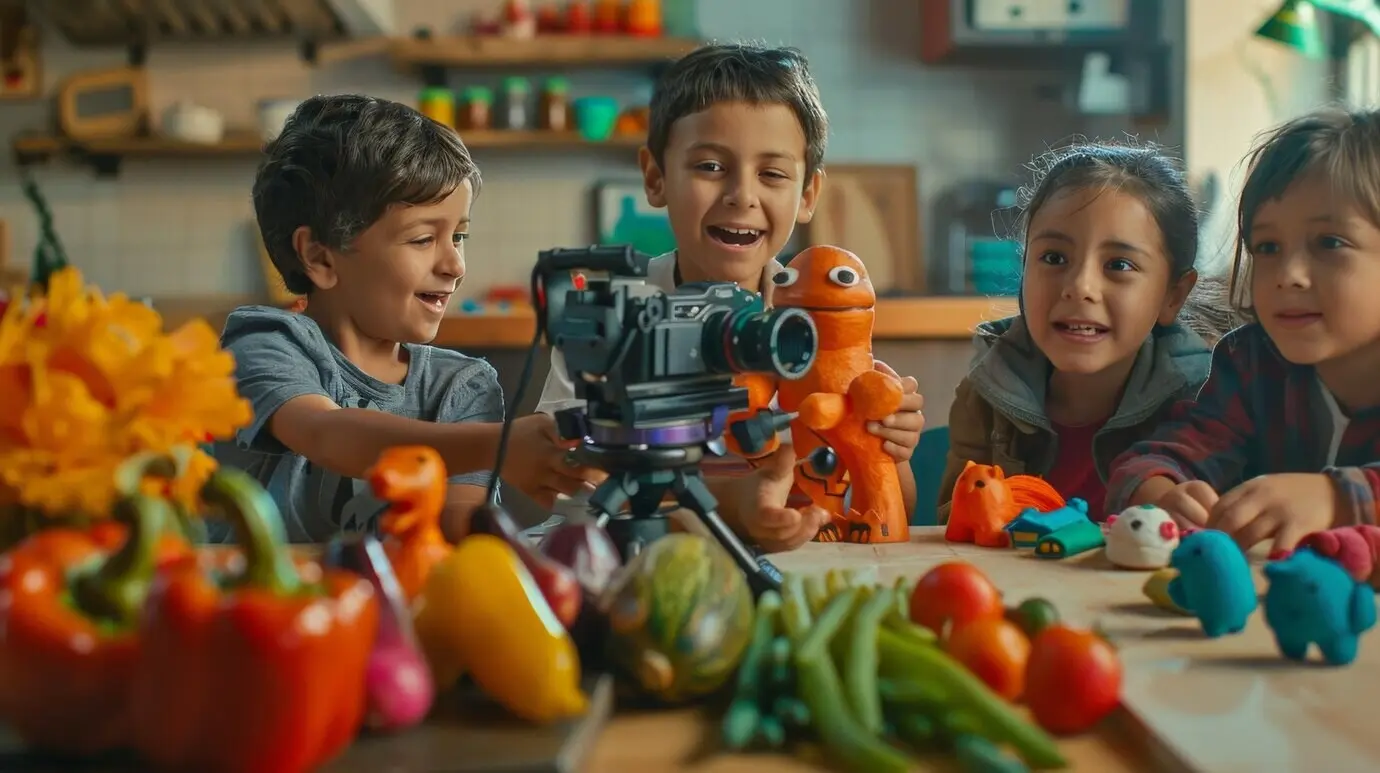
Creativity multiplies in company. Pair up for quick field expeditions, run weekly prompts with your studio, or host an online share thread where participants post three photos and two reflections. Clear constraints and gentle accountability foster momentum and confidence. Rotate roles—scout, scribe, presenter—to distribute effort and perspective. Celebrate small wins, credit specific observations, and cultivate generous critique. Over time, shared micro-adventures build a resilient culture that consistently catches and develops promising sparks.

Reset, Reflect, and Keep the Momentum

Small adventures matter most when integrated into a sustainable rhythm. Close sessions with a quick review, archive efficiently, and plan the next outing while enthusiasm is still warm. Track patterns across weeks to learn which routes, prompts, or times consistently produce insights. Celebrate micro-wins, not perfection, and keep tools packed for easy starts. Momentum thrives on tiny, repeated actions that respect your energy while pushing curiosity just a little further each time.

The Five-Minute After-Action Review

Use a simple template: three things that worked, one surprise, one intention for next time. Add a quick star rating and a voice memo while impressions are vivid. The practice turns vague satisfaction into actionable insight. Over a month, trends emerge—certain prompts spark color ideas, other routes feed structure thinking. Those patterns inform future choices, ensuring each outing compounds value rather than repeating effort without learning or strategic direction.

Archiving for Future You

Adopt a consistent naming convention—date_place_prompt—and tag assets with materials, mood, and potential applications. Store photos, notes, and sketches in a single hub, then curate weekly highlights into a lightweight deck. This habit prevents inspiration loss and accelerates future briefs. When deadlines hit, you’ll have resourced palettes, textures, behaviors, and stories ready to deploy, transforming vague inspiration into dependable libraries that honor the authentic observations powering your practice.

Join the Continuing Quest

Share your most surprising micro-adventure and the artifact it inspired—a palette, a layout, a character silhouette. Comment with one route suggestion others should try, and tag a friend to join next week’s mini expedition. Subscribe for new prompts, field-tested formats, and occasional interviews with artists who leverage tiny journeys into big breakthroughs. Your perspective strengthens this evolving practice, turning ordinary days into an ongoing stream of practical, joyful creative fuel.
Nuhafezupixoroletu
Privacy Overview

This website uses cookies so that we can provide you with the best user experience possible. Cookie information is stored in your browser and performs functions such as recognising you when you return to our website and helping our team to understand which sections of the website you find most interesting and useful.